
town · Ullswater
Penrith
The market town on the M6, used as a gateway to Ullswater and the eastern fells.
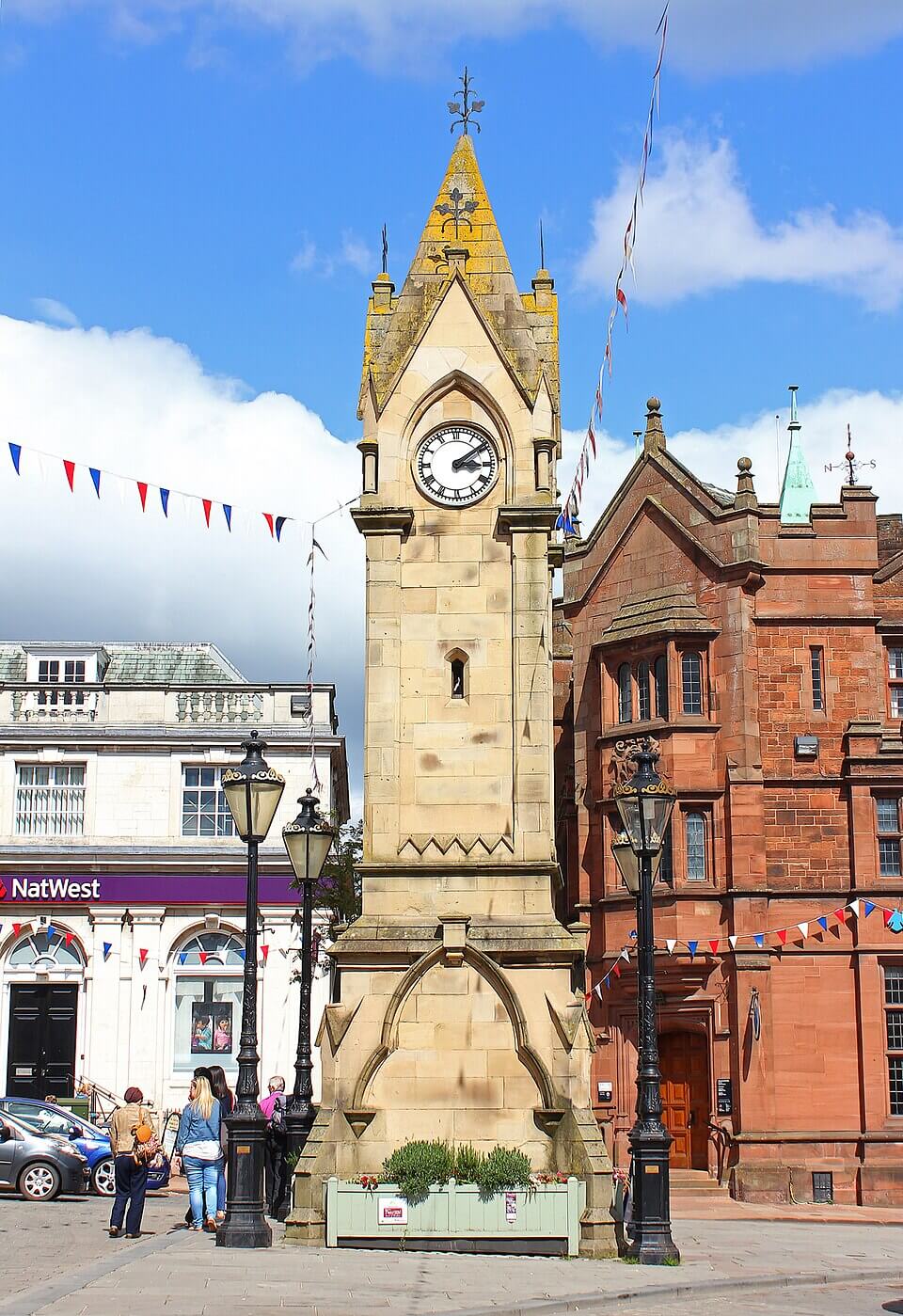
Penrith (, ) is a market town and civil parish in the Westmorland and Furness district of Cumbria, England. It is less than 3 miles (5 km) outside the Lake District National Park and about 17 miles (27 km) south of Carlisle. It is between the Rivers Petteril and Eamont and just north of the River Lowther. It was historically part of Cumberland. The parish had a population of 16,987 at the 2021 census. Penrith's history has been defined primarily by its strategic position on vital north–south and east–west communications routes. This was especially important in its early history, when the Romans established two forts nearby at Brocavum and at Voreda (Plumpton). It was also vital later on when Anglo-Scottish relations were fraught. Furthermore, Penrith was a Crown possession in its early phase, though often granted to favoured noble families. It did not become a chartered borough or a municipal corporation and had no representation in Parliament in any modern democratic sense until the 19th century. Other factors in its growth were from its proximity to the Inglewood Forest and to the fertile Eden valley. The town depended mostly upon agriculture, especially cattle rearing and droving. It lacked the resources to become an industrial hub, despite its road and rail infrastructure. Its proximity to the Lake District, the Eden valley, the North Pennines and to centres such as Carlisle encouraged tourism and commuting. As a result, the hospitality and retailing sectors became important. The town is noted for its rich history and its connectivity. Also noteworthy are its sandstone buildings, its range of outlets catering to leisure and tourism interests, its independent shops as well as its numerous, larger, food stores.17:[
Nearby
Pooley Bridge
townUllswater
Population: 250
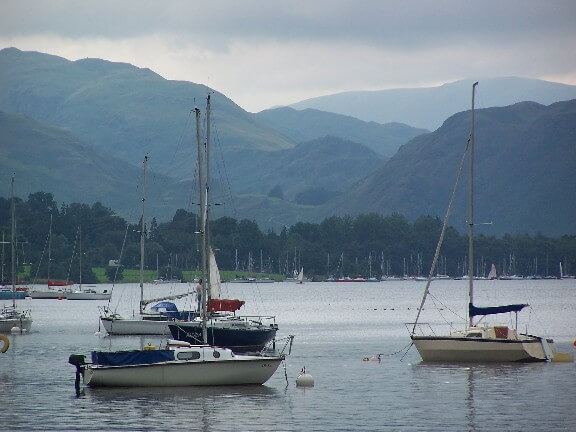
The village at the northern end of Ullswater, where the steamers turn.
Ullswater
lakeUllswater
Surface area: 8.9 km² (3.4 sq mi) · Length: 11.8 km (7.3 mi) · Max depth: 63 m (207 ft)
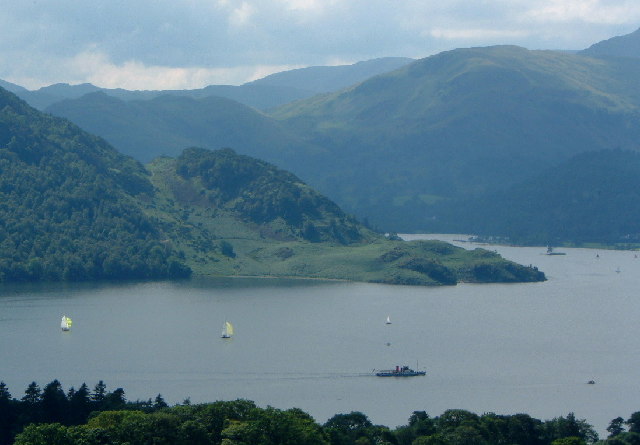
The second longest lake, with steamers, Aira Force, and Helvellyn above the south end.
Rheged
attractionUllswater
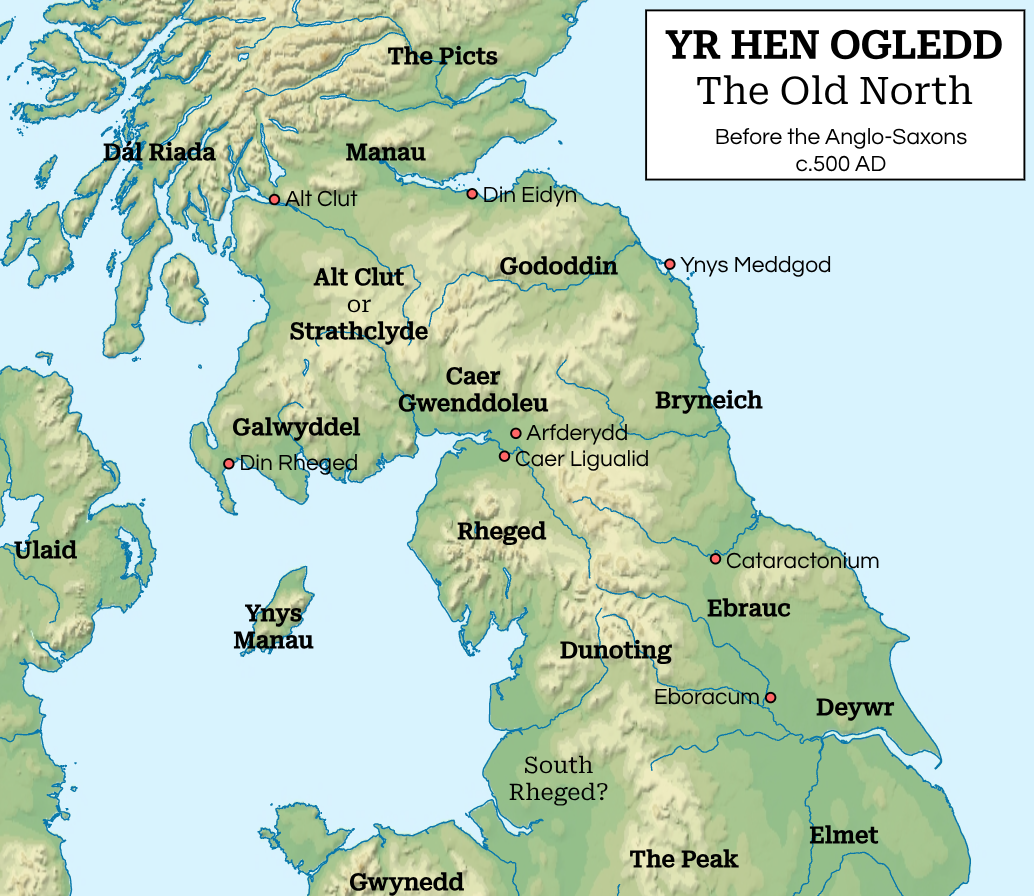
An indoor visitor centre near Penrith, at the gateway to Ullswater.